
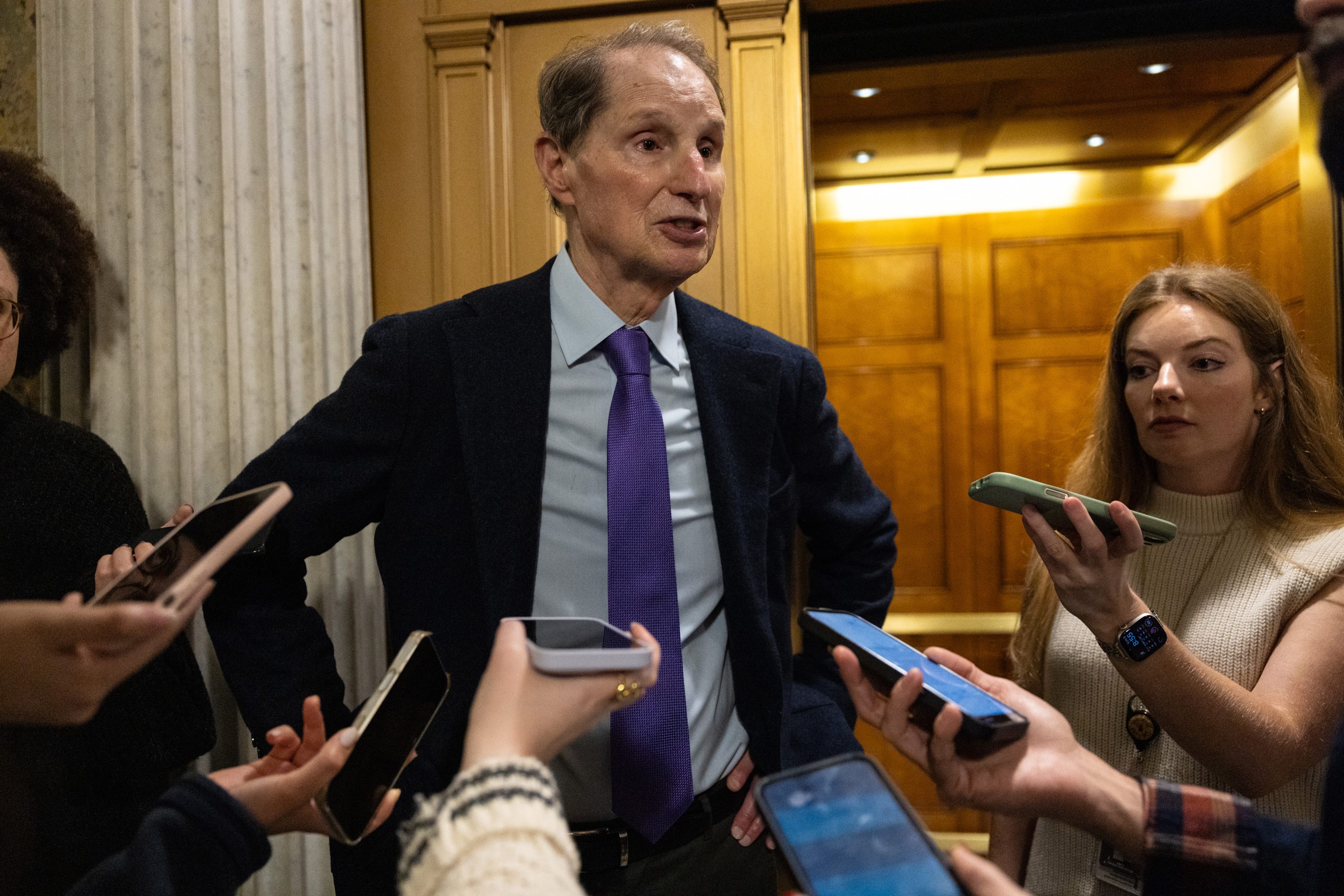
A year after launching an inquiry into companies, including Deloitte, that receive billions in taxpayer dollars to build complex computer systems determining Medicaid eligibility, senators are urging the federal government to impose stricter rules.

The rapid emergence of the Chinese biotech industry has panicked U.S. politicians, but investors and patients caution that a clampdown on pharmaceutical collaboration could hurt everyone.

As people take a greater number of medications across years or decades, experts say the risk for adverse drug interactions increases. One way to advocate for yourself? Keep a list of your meds handy.

KFF Health News gives readers a chance to comment on a recent batch of stories.

The anti-fraud efforts highlight a broader political fight ahead of the midterms. Republicans say they’re protecting taxpayer dollars by going after bad actors. Democrats contend the administration is — with insufficient evidence — targeting blue states to cut programs the GOP has long sought to shrink.
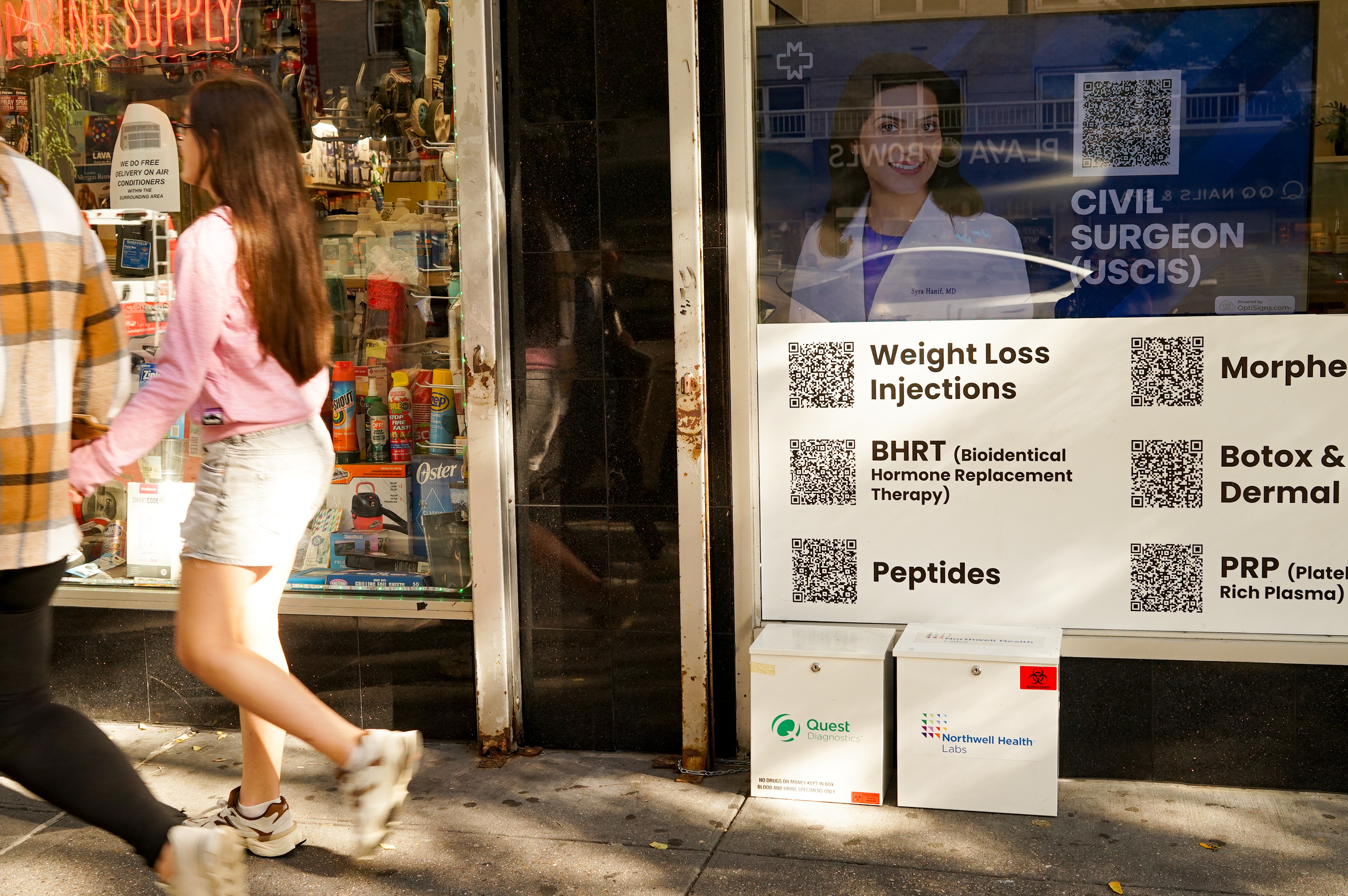
Experimental peptides are all the rage on longevity and “optimization” podcasts, but a lot of the chatter is misleading.
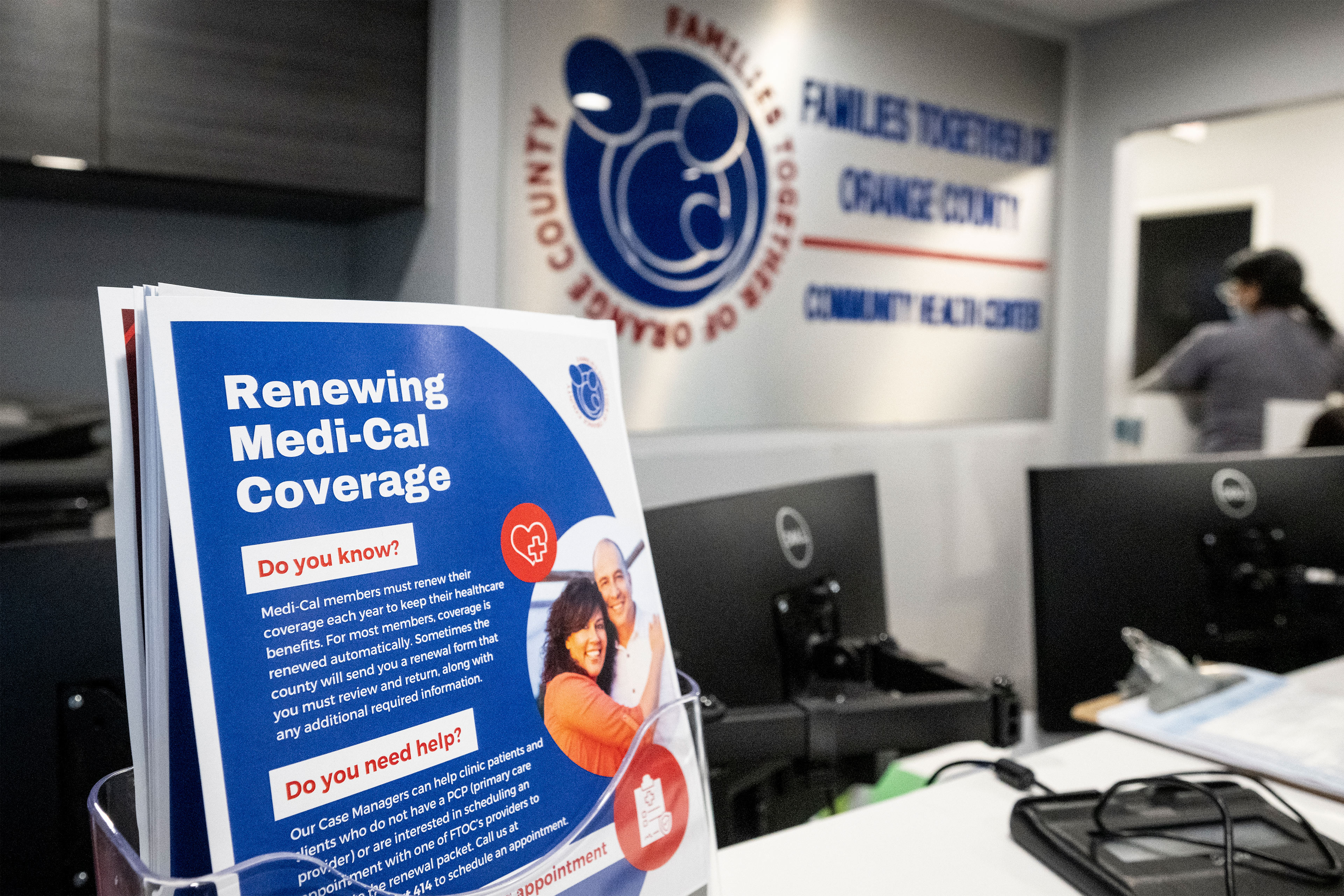
Medi-Cal, the nation’s largest Medicaid program, was in trouble even before the GOP’s One Big Beautiful Bill Act. Rapid expansion, spiraling costs, and billions in federal funding cuts will mean tough challenges for California’s next governor. On the campaign trail, the two men running for the job have offered few answers.

The Trump administration has provided few details about its process for canceling hundreds of thousands of Affordable Care Act marketplace enrollments — even as the next stage of the anti-fraud effort is underway.
The "KFF Health News Minute" brings original healthcare and health policy reporting from our newsroom to the airwaves each week.
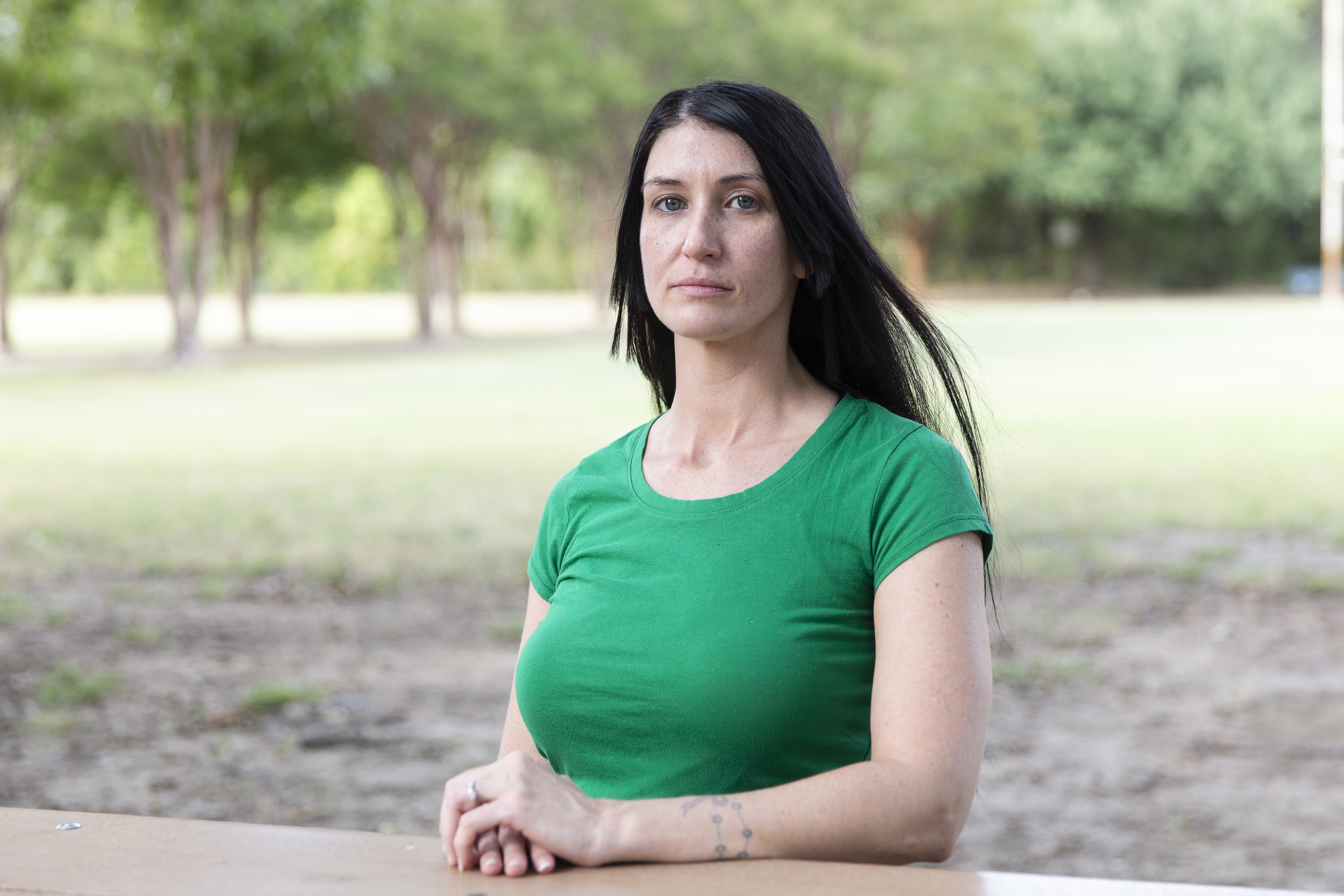
Hospitals can prevent medical debt by offering financial help before sending big bills. A Tradeoffs investigation found that nearly half of nonprofit facilities in Texas say they will bill patients before screening them for aid. And most will not offer refunds to patients who pay and are later found to qualify for free care.